Seven Quiet Marvels: Kenya’s Lesser-Known Wildlife and How to Watch Them Ethically
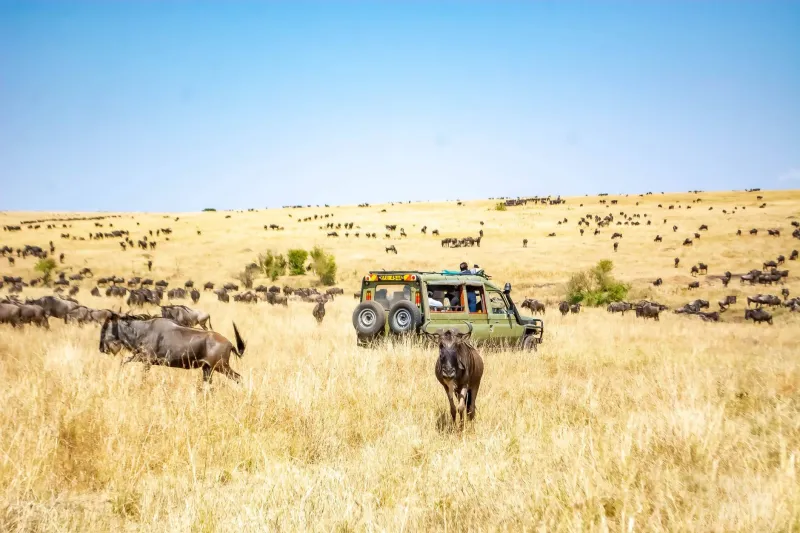
The Big Five still sell safaris, and rightly so. Lions, elephants, rhinos, buffalo, and leopards are extraordinary. But Kenya’s wild places are richer than a checklist, and some of the most memorable encounters involve species that rarely make the cover of a brochure. For US travelers planning a 2026 or 2027 safari, the following seven animals offer a different kind of reward: less certainty, more patience, and a chance to support responsible viewing instead of spectacle.
1. Ground Pangolin: The Scaled Insectivore
The ground pangolin is a shy, nocturnal mammal covered in keratin scales. It is also one of the world’s most trafficked wild mammals, which makes ethical viewing especially delicate. Conservation status: Vulnerable. Best chances: night drives in private conservancies in Laikipia, the Maasai Mara, and parts of Tsavo, always with a licensed guide. Watch responsibly by keeping lights low, avoiding flash photography, and never handling or baiting the animal. A guide who promises a pangolin sighting is making a promise the wild cannot guarantee. Report any pangolin product for sale to the authorities.
2. Aardwolf: The Termite Specialist That Is Not a Hyena
The aardwolf looks like a small, striped hyena, but its diet is overwhelmingly termites. It is nocturnal and easily overlooked. Conservation status: Least Concern. Best chances: Laikipia, Samburu, Tsavo, and the Mara during night drives. Ethical watching means using red-filtered light, keeping a respectful distance, and not chasing the animal off-road. Aardwolves are not circus acts; a brief sighting of one foraging is a better outcome than a long pursuit.
3. Black-and-White Colobus: The Canopy Acrobat
The black-and-white colobus is a leaf-eating monkey with a flowing mantle and a calm, arboreal manner. Conservation status: Least Concern, though local populations face habitat pressure. Best chances: Kakamega Forest, the Aberdares, and coastal forests such as Shimba Hills. Watch quietly, keep a generous distance, and never feed primates. Feeding changes behavior, encourages aggression, and exposes animals to human disease. A good guide will let the monkeys move naturally rather than using playback calls to draw them closer.
4. Whale Shark: The Ocean’s Gentle Giant
Kenya’s coast offers seasonal opportunities to see whale sharks, the largest fish in the sea. Conservation status: Endangered. Best chances: Watamu Marine National Park and parts of the south coast, with licensed marine operators during reported sightings. Ethical watching is non-negotiable here: no touching, no riding, no blocking the shark’s path, and no crowding. Keep at least three meters from the body and more from the tail. Choose operators that limit boat numbers and brief guests before entering the water. If the scene feels chaotic, stay on the boat.
5. Gerenuk: The Giraffe-Necked Antelope
The gerenuk stands on its hind legs to browse thorny shrubs, giving it a silhouette that seems almost invented. Conservation status: Near Threatened. Best chances: Samburu, Buffalo Springs, and Shaba reserves in northern Kenya. Watch from the vehicle, avoid crowding waterholes, and do not pressure the animal to move for a photograph. Gerenuks are adapted to arid landscapes; responsible tourism means respecting their space and the fragile rangelands they depend on.
6. Caracal: The Night Hunter With Tufted Ears
The caracal is a compact wild cat with black ear tufts and a talent for silence. Conservation status: Least Concern. Best chances: Laikipia, Tsavo, and the Mara during night drives. Ethical viewing means no baiting, no calls, and no flash. A caracal that chooses to cross a track is a gift; a caracal pursued by vehicles is a welfare problem. Ask your guide about the camp’s night-drive policy before you book.
7. African Wild Dog: The Pack That Needs Space
African wild dogs are among Kenya’s most endangered large carnivores, and their pack life makes them fascinating to watch. Conservation status: Endangered. Best chances: Laikipia, Samburu, and Tsavo, though sightings are never guaranteed. Ethical watching requires restraint: keep well back, never chase a pack off-road, and avoid sharing real-time locations that can draw crowds. Den sites are especially sensitive. A responsible guide will end a sighting early if the animals show signs of stress.
Practical Ethics for US Travelers
Book with licensed guides and operators that publish a wildlife viewing policy. Ask how they handle night drives, off-road driving, and sightings that attract multiple vehicles. Avoid operators that guarantee specific species; wildlife is not a product on a shelf. Pay community conservancy fees where they apply, and choose camps that can explain how local people benefit. Keep binoculars handy, leave drones at home, and never feed wildlife.
Planning for 2026 and 2027
US travelers often plan safaris a year or more ahead. That is an advantage. Use the time to check operator credentials, ask about Kenya Wildlife Service guidelines, and compare camps on ethics as well as amenities. Shoulder-season travel can reduce crowding at key sights. A longer stay in one conservancy often produces better wildlife behavior than a rushed itinerary across many parks. And if a sighting becomes a crowd, leave. The animals will not remember your photograph, but they will feel the pressure.
The Big Five are not the problem; they are the gateway. The quieter species reward travelers who value patience over certainty and conservation over conquest. In Kenya, the most responsible sighting is often the one you did not force.