When the Safari Van Stops: How American Travel Choices Shape Kenya’s Conservation Ledger
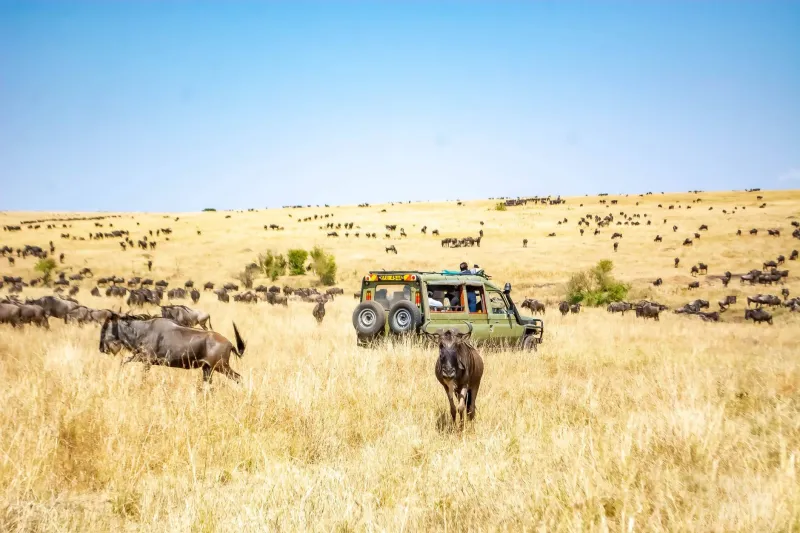
In 2026, Kenya’s conservation economy is not a single ledger. It is a patchwork of park entry fees, conservancy bed-night charges, camp payrolls, research permits, philanthropic grants, and community leases. American travelers appear in that patchwork less as adventurers than as a revenue stream—one that is welcome, unevenly distributed, and vulnerable to shifts in US household budgets, climate concerns, and travel tastes. The $15 million question is not whether US visitors matter. It is what happens to wildlife and local livelihoods when they stay home, and what travelers can do about it even before they book a flight.
A Revenue Stream With Field Consequences
Most safari narratives focus on sightings. Conservation finance focuses on predictability. A community conservancy in Laikipia or the Maasai Mara may rely on a mix of tourism fees, grazing agreements, and donor support. When American bookings soften, the first effects are not always visible in wildlife numbers. They appear in ranger patrol schedules, fuel budgets, vehicle maintenance, and the ability to compensate landowners who set aside space for wildlife. A dropped high-season booking can become a delayed salary; a delayed salary can become a vacancy; a vacancy can become a gap in monitoring.
US travelers are a significant segment of Kenya’s international safari market, but their influence is not only numerical. American demand shapes marketing, itinerary design, and the kinds of experiences camps choose to offer. It also shapes expectations. When visitors ask hard questions about community fees, staff wages, and wildlife disturbance, operators have a reason to answer carefully. When they ask only for the cheapest package, the market hears that too.
Three Shifts in the American Market
Three shifts deserve attention. First, economics. Travel is discretionary spending, and airfare, insurance, and lodging costs can push a Kenya safari down a US household’s priority list. Second, climate concerns. Some travelers are reconsidering long-haul flights or seeking trips with clearer environmental accounting. Third, changing tastes. Shorter trips, multigenerational travel, wellness-focused itineraries, and alternatives to the traditional road safari are all reshaping demand.
None of these shifts is inherently hostile to conservation. A shorter trip can still be a well-funded one. A climate-conscious traveler can still support Kenya’s wild places if the spending is structured thoughtfully. The risk lies in treating travel as an all-or-nothing moral choice. Conservation needs visitors who stay longer, spend locally, and ask better questions—not only visitors who feel guilty enough to cancel.
Why the Ripple Effect Is Not Automatic
Tourism dollars do not automatically become conservation dollars. Leakage to imported goods, outside ownership, seasonality, and weak fee-sharing arrangements can blunt the benefit. A camp that fills beds but pays low wages or bypasses conservancy fees may generate revenue without generating resilience. The question is not simply how many Americans arrive. It is how their spending is structured, who captures it, and whether wildlife protection is built into the business model.
That distinction matters for US travelers because it turns a vague appeal to travel responsibly into a set of practical choices. A safari can be a conservation tool, but only when the economics are designed to make it one.
Making Safari Dollars Count
For travelers planning a 2026 or 2027 trip, the most useful steps are specific. Ask operators for a fee breakdown that separates park fees, conservancy fees, and community contributions. Book with companies that can explain their wildlife viewing policy and their labor practices. Pay conservancy fees directly when that option exists, and keep the receipts. Choose longer stays in fewer places where possible; this reduces internal flights and spreads income across fewer, deeper relationships.
Travelers who remain at home are not off the hook. US-based donors can support ranger patrols, wildlife corridors, and community conservancy trusts through verified organizations. Employer matching gifts can multiply small contributions. Travel advisors and repeat safari clients can push operators toward transparent community fee structures. Even advocacy has a role: asking a tour company how it protects wildlife is a market signal.
Travel as a Conservation Signal
The most useful response to uncertainty is not to treat travel as a moral failure or a silver bullet. It is to treat it as a conservation signal. American travelers have more power than they often realize—not because they can save Kenya’s wildlife single-handedly, but because their choices reward certain business models and discourage others. When the safari van stops, the effects are felt far beyond the lodge gate. When it starts again, the question should be where the money goes.