Kenya Wildlife Journal Field notes on Kenya's wild places and people

Kenya Wildlife Journal

Field notes on Kenya's wild places and people

Latest Articles

The Metadata in Your Memory Card: What Kenyan Ecologists Can Actually Do With a Visitor's Wildlife Photo
Conservation Science

The Metadata in Your Memory Card: What Kenyan Ecologists Can Actually Do With a Visitor's Wildlife Photo

Every geotagged image a traveler brings home carries a small packet of structured facts. Kenyan researchers can use those facts to strengthen occurrence maps and corroborate rare detections — but only if the file is shared intact and the photograph was taken without baiting, crowding, or off-road driving.

Where the Asphalt Cuts the Corridor: Kenya's Missing Roadkill Record
Opinion & Analysis

Where the Asphalt Cuts the Corridor: Kenya's Missing Roadkill Record

Wildlife-vehicle collisions are among the least documented pressures on Kenya's wildlife corridors, scattered across police logs, ranger notebooks, and insurance files that never meet. A national reporting system would cost less than a single underpass and would tell planners where to build it.

Blinking Dots and Blind Spots: The Real Reach of Kenya's Lion Tracking Data
Conservation Science

Blinking Dots and Blind Spots: The Real Reach of Kenya's Lion Tracking Data

A GPS collar produces a moving point on a screen, and the temptation to read it as a management solution is strong. In practice, Kenya's lion telemetry is a narrow instrument with serious boundaries — and understanding those boundaries is the difference between sound policy and good headlines.

What the Gate Receipt Does Not Say: Tracing a Kenyan Park Fee All the Way to the Field
Responsible Tourism

What the Gate Receipt Does Not Say: Tracing a Kenyan Park Fee All the Way to the Field

For many American visitors, the park entrance fee is the single largest conservation contribution they will make in a year — and the least examined. Here is how that money moves once your card is charged, where ranger salaries actually sit in the chain, and which questions are worth asking before you book.

Beyond the Brochure: A Donor’s Checklist for Vetting Kenya’s Community Conservancies
Responsible Tourism

Beyond the Brochure: A Donor’s Checklist for Vetting Kenya’s Community Conservancies

The phrase “community conservancy” appears across Kenya safari marketing, but it can mean anything from a legally registered, audited land-sharing agreement to a brochure slogan. This consumer-protection guide for 2026 gives U.S. travelers and donors the questions, documents, and red flags that separate credible models from marketing language.

Listening for Health: Five Soundscape Signals from Kenya’s Wild Places
Conservation Science

Listening for Health: Five Soundscape Signals from Kenya’s Wild Places

Bioacoustics is turning Kenya’s forests, savannas, and wetlands into living laboratories, where birdsong, insect hum, frog choruses, and low-frequency mammal calls serve as indicators of ecosystem health. This science-forward listicle explains five soundscape signals—and why responsible listeners should treat silence as a question, not an answer.

The Night Desk for Elephants: How Kenya’s Rescue Network Makes Life-or-Death Calls
Opinion & Analysis

The Night Desk for Elephants: How Kenya’s Rescue Network Makes Life-or-Death Calls

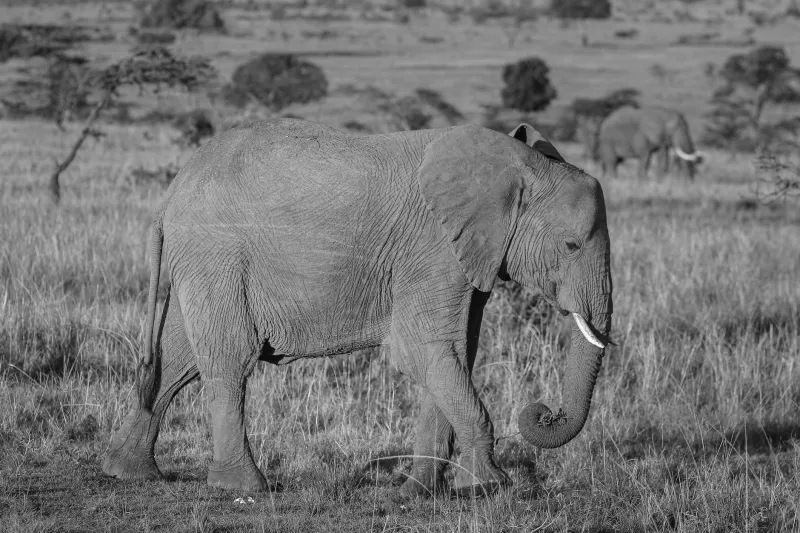
A single overnight shift on Kenya’s wildlife rescue hotline shows how scouts, rangers, and mobile veterinarians turn urgent calls into careful triage. The same night also explains why American donors should look past emotional fundraising and ask harder questions about field capacity.

A Migration Without a Metronome: Reading Kenya’s 2026 Wildebeest Season Responsibly
Responsible Tourism

A Migration Without a Metronome: Reading Kenya’s 2026 Wildebeest Season Responsibly

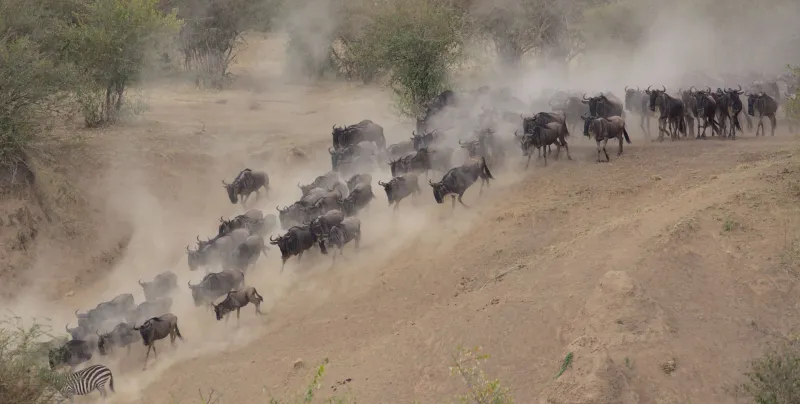
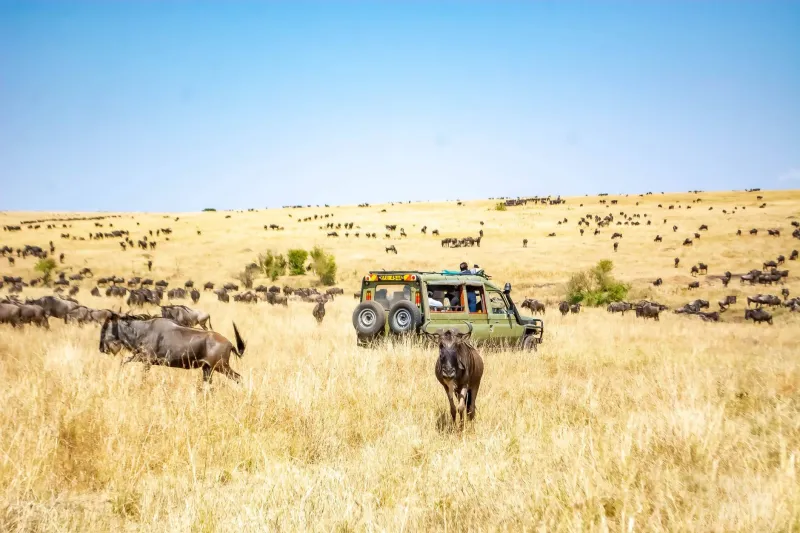
Erratic rains are unsettling the timing of Kenya’s wildebeest migration and the predators that follow it. In 2026, responsible viewing means treating the river crossing as one part of a larger ecological story, not a guaranteed spectacle.

Seven Quiet Marvels: Kenya’s Lesser-Known Wildlife and How to Watch Them Ethically
Responsible Tourism

Seven Quiet Marvels: Kenya’s Lesser-Known Wildlife and How to Watch Them Ethically

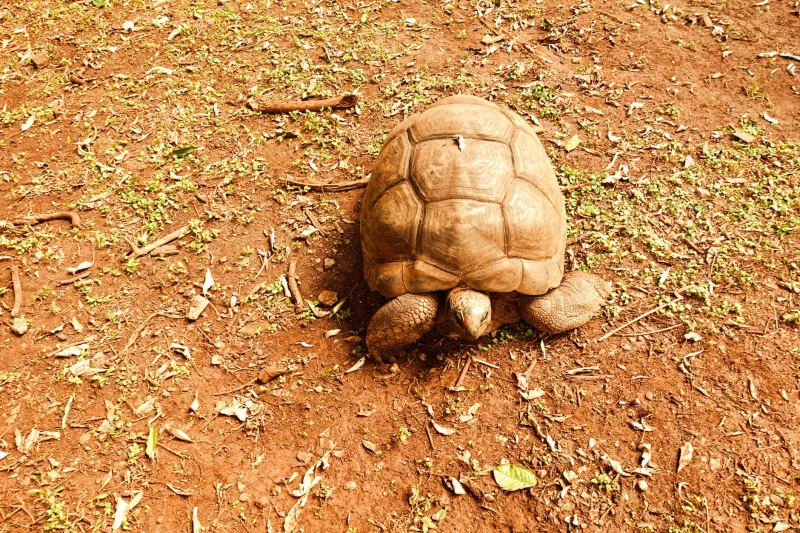
The Big Five are a gateway, not the whole story. From pangolins and aardwolves to whale sharks and wild dogs, Kenya’s quieter species reward patient, ethical travelers—and the choices US visitors make around them matter as much as the sightings themselves.

When the Safari Van Stops: How American Travel Choices Shape Kenya’s Conservation Ledger
Opinion & Analysis

When the Safari Van Stops: How American Travel Choices Shape Kenya’s Conservation Ledger

American travelers are not just visitors to Kenya’s wild places; they are part of the conservation economy. As travel patterns shift in 2026, the question is not whether US safari dollars matter, but how those dollars can be made to count for wildlife and community conservancies—even from home.

Recommended

non gamstop casinos non gamstop casino non gamstop casinos UK casinos not on gamstop