The Clinical Calculus of Kenya’s Mobile Wildlife Vets
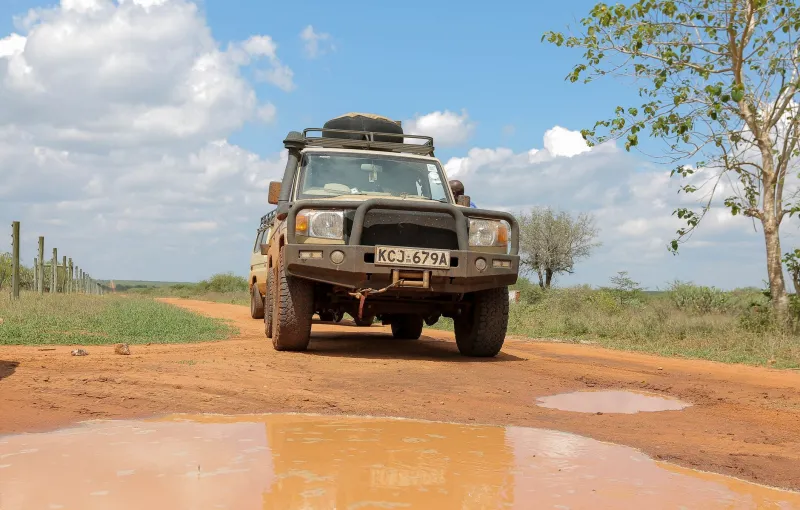
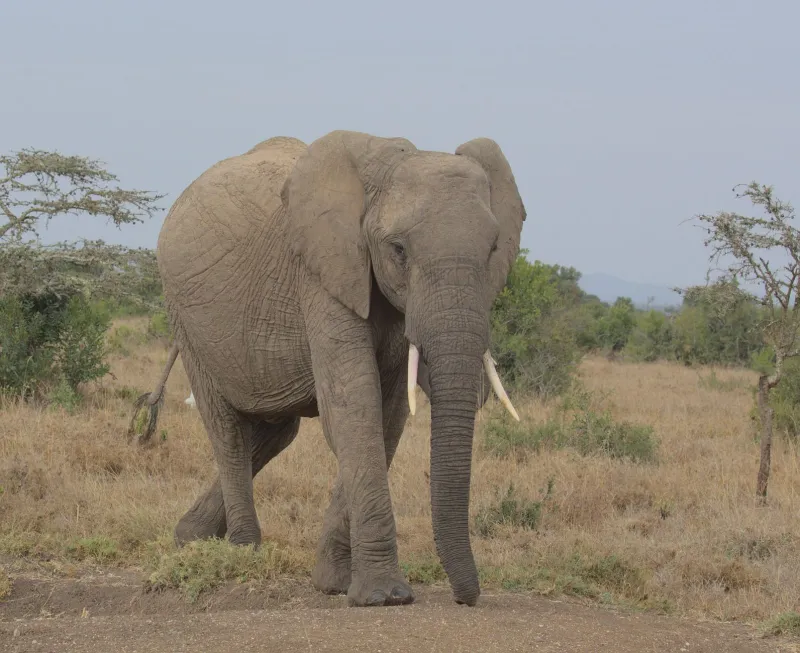
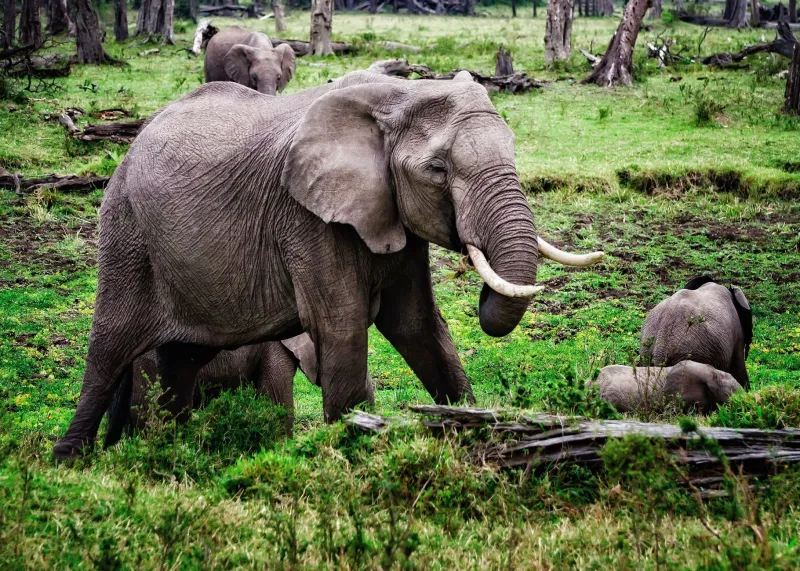
On a gravel road outside a conservancy in Laikipia, a radio call reaches a veterinary team before sunrise: an elephant has been reported with a deep snare wound, and a second report describes a giraffe that has not moved from the same thicket for two days. The team’s Land Cruiser carries a darting kit, oxygen, fluids, antibiotics, anti-inflammatory drugs, and a modest supply of bandaging material. It also carries a hard truth: not every call can become a full intervention.
Kenya’s mobile wildlife veterinary units operate at the intersection of emergency medicine, conservation science, and logistics. They serve national parks, private conservancies, community lands, and dispersal areas where wildlife and livestock overlap. The work is often described in heroic terms, but the everyday reality is closer to a clinical triage system on wheels. Field veterinarians must decide quickly whether an animal can be safely approached, whether treatment is likely to improve its outcome, and whether the response itself poses risks to people, other animals, or the wider herd.
The First Ten Minutes Are a Triage Exam
For a mobile vet, the call is not the beginning of treatment. It is the beginning of assessment. Species, body condition, age, behavior, wound location, and the presence of calves or herd mates all matter. A snare wound on a young animal may be treatable if the tissue is still viable and the animal can be separated safely from the herd. A similar wound on an older animal with signs of systemic infection may call for a different decision altogether.
Drought complicates the picture. An elephant in poor condition may be dehydrated, immune-compromised, and unlikely to survive capture and treatment. Poisoning cases present another layer: the team must identify the toxicant, estimate exposure, and determine whether supportive care is realistic before the animal deteriorates further. In some cases, the most defensible action is to monitor from a distance and reduce further disturbance.
The back of the vehicle becomes a temporary clinical station. Vets review reports from rangers, conservancy staff, and community scouts; check wind direction; confirm water sources; and decide whether a ground approach or aerial support is appropriate. The arithmetic is not only medical. It is also spatial. A two-hour drive on rough roads can mean the difference between a treatable wound and a carcass.
What the Kit Says About the Outcome
Equipment gaps are not abstract. They determine whether a team can stabilize an animal in the field or must transport it—often impractical for large species. A well-stocked mobile unit may carry pulse oximetry, portable ultrasound, darting rifles, immobilization drugs, and a satellite phone. A unit operating on a lean budget may lack sufficient analgesics, replacement dart components, or fuel for a second callout.
These constraints shape clinical choices. If a team has limited oxygen, it may avoid a prolonged procedure. If it has no way to monitor recovery, it may choose a conservative drug protocol. If it lacks a second vehicle, it may decline a call that would leave another area uncovered. The result is a system in which outcomes are influenced not only by the severity of an injury but by the supply chain behind the responder.
Funding instability compounds the problem. Mobile veterinary work depends on a mix of government support, philanthropic grants, conservancy contributions, and in-kind donations. When a grant cycle ends, a team may lose a vehicle, a fuel allowance, or a specialist’s time. The clinical consequences are immediate: longer response times, fewer follow-up visits, and harder choices about which calls to accept.
The Difference Between Support and Spectacle
Public attention can help. It can also distort. A viral video of a darting procedure may generate donations, but it can encourage visitors to treat wildlife response as entertainment. Field veterinarians generally do not want an audience during an intervention. Noise, vehicles, and unpredictable human behavior increase stress on the animal and risk for the team.
For US travelers, the most useful contribution is often indirect. Ask lodges and conservancies whether they maintain a wildlife response fund, whether they support local veterinary teams, and whether their staff are trained to report injuries accurately. A clear report—species, location, time, observed behavior, and photographs from a safe distance—can be more valuable than an impulsive attempt to help. Do not approach an injured animal, and do not assume that a vehicle can substitute for a trained response unit.
Donors can ask sharper questions as well. Does the team have a defined coverage area and a dispatch protocol? Are immobilization drugs stored and tracked according to national regulations? How are follow-up checks conducted? What proportion of funding goes to fuel, vehicle maintenance, and staff time rather than one-off equipment purchases? These questions may seem administrative, but they are clinical variables.
A System That Needs More Than Heroism
Kenya’s mobile wildlife vets are not a substitute for habitat protection, disease surveillance, or conflict prevention. They are a last line of response for animals that have already been injured, poisoned, or displaced. Their work deserves support, but it also deserves scrutiny. The most effective assistance will strengthen the ordinary parts of the system: reliable vehicles, trained staff, stocked kits, clear reporting chains, and stable funding.
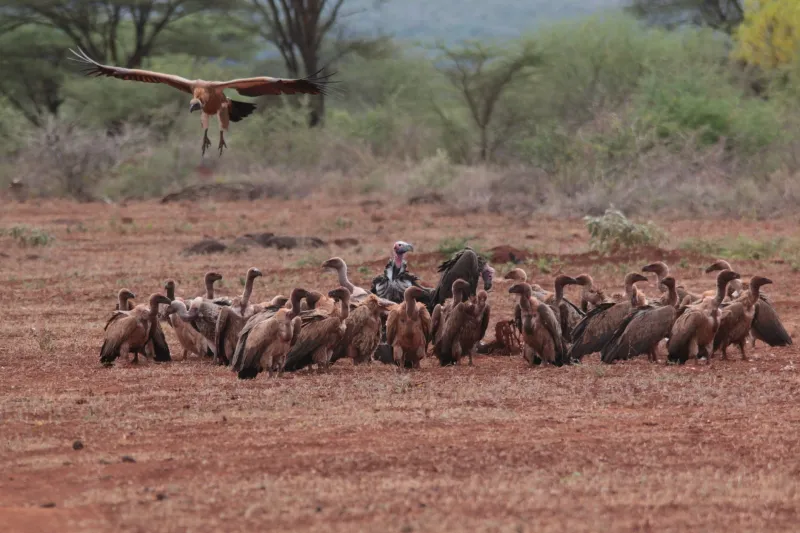
The next call may come from a community scout who has tracked a snared zebra for three days, or from a ranger who has found a poisoned carcass and fears for the vultures circling overhead. The team will make a decision in minutes. The rest of us can make better decisions about how to support that work—without turning it into a show.