The Night Desk for Elephants: How Kenya’s Rescue Network Makes Life-or-Death Calls
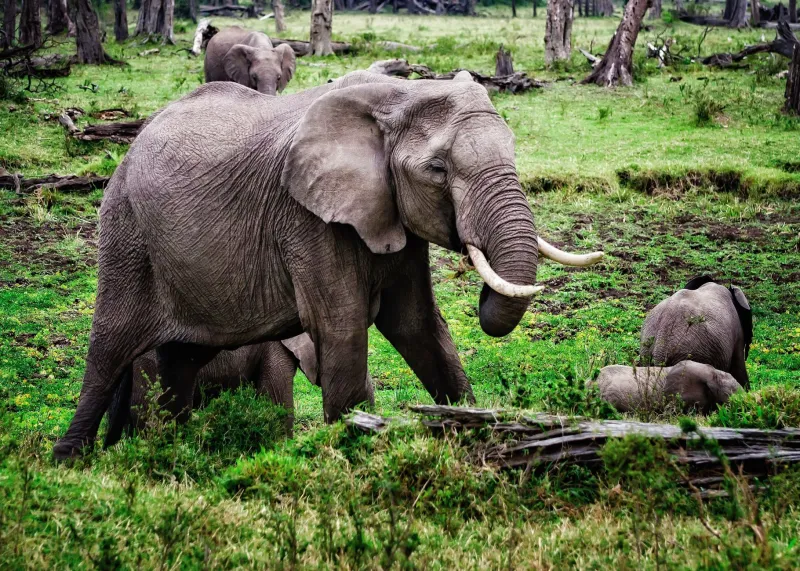
At 3:04 a.m. on a cloudless September night, the rescue line logged its first call. A community scout in a conservancy north of Mount Kenya reported a young elephant moving alone near a livestock trough, one hind leg trailing. The scout had not seen a snare, but he had seen the limp, the swollen joint, and the animal’s reluctance to leave water. By 3:11 a.m., the hotline coordinator had a location, a species, an approximate age, a description of the terrain, and a question that shapes every wildlife rescue in Kenya: who needs help first, and what kind of help is actually possible?
The First Call
The call was not routed directly to a veterinarian. It moved through a chain that begins with people who live and work near wildlife. Community scouts, conservancy rangers, and Kenya Wildlife Service officers are usually the first to see an injured animal, a snared zebra, or an elephant lingering near a settlement. Their reports are most useful when they are specific: coordinates, wind direction, water sources, human activity, vehicle access, and the animal’s behavior. A frightened elephant a hundred yards from a school is a different emergency from an elephant resting quietly in thick bush.
That distinction matters because wildlife rescue is not a single act. It is a sequence of decisions made under pressure. By 3:20 a.m., the coordinator had called a mobile veterinary unit and a ranger team. The veterinary team asked whether the elephant could be safely immobilized, whether the terrain allowed a vehicle to reach it, and whether the animal had been seen bearing weight. The rangers asked whether the local community had been alerted and whether livestock were nearby. No one had yet decided to dart the animal.
From Scout to Signal
Kenya’s rescue network is often described as a hotline, but it functions more like a nervous system. Scouts provide eyes on the ground. Rangers provide local knowledge and security. Telemetry adds another layer when collared animals are involved. A collar signal can show that an elephant has stopped moving for an unusually long period, or that a group has split near a boundary. It cannot show whether the animal is snared, sick, or simply resting.
That is why telemetry is a supplement, not a substitute. In the September call, the coordinator checked whether the young elephant belonged to a collared herd. It did not, but a nearby ranger patrol had seen the same group the previous evening. The information narrowed the search area and reduced the risk of approaching the wrong animal. It also helped the team estimate how long the calf had been separated from its mother, which influenced the urgency of the response.
Triage Is Not Triage by Headline
By 3:40 a.m., a second call arrived. A farmer near a seasonal river reported a zebra caught in a wire snare. The animal was close to a road, visible, and apparently still standing. The coordinator logged it, but did not immediately divert the veterinary team. This is the part of rescue work that rarely appears in fundraising videos: triage.
Field teams weigh several factors at once. Is the injury immediately life-threatening? Is the animal a danger to people? Can the team reach the site safely? Is there a reasonable prognosis after treatment? Are the drugs, fuel, staff, and transport available? For a common species with a treatable snare wound, a ranger patrol may be able to respond first. For an elephant with a deep wire injury, a mobile veterinary unit may be essential. For an animal in an area with active human conflict, the safest intervention may be monitoring rather than intervention.
None of these choices are made casually. Wildlife veterinarians working in Kenya operate under permits and protocols that govern immobilizing drugs, darting distance, and post-treatment monitoring. A rescue that looks simple from a vehicle can become dangerous for the animal, the team, and nearby residents if the approach is rushed.
The Science of a Snare
Wire snares are indiscriminate. They tighten around a limb, neck, or trunk and cause constriction, swelling, and restricted blood flow. If the wire is not removed, tissue can die, infection can set in, and the animal may lose the limb or die. The visible wound is only part of the problem. A snared animal may also be dehydrated, exhausted, or separated from its group.
Field treatment depends on the injury. A shallow snare wound may be cleaned, treated with antibiotics and pain relief, and monitored. A deeper wound may require surgery and longer recovery. In some cases, the animal must be moved to a holding facility, but translocation is never a first resort. It is costly, stressful, and risky. The science of rescue favors the least invasive intervention that gives the animal a realistic chance.
Drought, Conflict, and the Limits of Rescue
At 4:15 a.m., the third call came from a different conservancy. An elephant group had moved close to a water point near a village. No injury was reported, but the caller feared crop damage. This is a drought-related pattern: when water and forage are scarce, wildlife and livestock concentrate near the same sources. Conflict becomes more likely, and rescue teams are asked to solve problems that are ultimately about land, water, and planning.
The coordinator did not promise a rescue. Instead, the team discussed deterrence, community alertness, and whether a ranger presence could reduce the risk. This is an uncomfortable truth for donors: not every call ends with a dramatic rescue. Some end with a decision not to intervene. Some end with a recommendation to improve fencing, water access, or compensation systems. Credible conservation work includes those less photogenic answers.
What American Donors Should Ask
US readers who want to support wildlife rescue in Kenya should begin with transparency, not emotion. A credible organization should be able to explain its legal status, its veterinary partnerships, and its relationship with Kenyan authorities. In the United States, donors can check whether an organization is a registered 501(c)(3), review its IRS Form 990, and look for a profile on Candid or GuideStar. A compelling video is not a substitute for audited financials.
Ask specific questions. Does the group fund mobile veterinary units, ranger patrols, or community conservancies? Who authorizes rescues? What happens after an animal is treated? Are there incident reports, photos with dates, and follow-up data? Does the organization work under Kenyan permits? Avoid campaigns that promise a guaranteed rescue for every donation or that use distressed animals as props without explaining the outcome.
The Dawn Decision
By 5:50 a.m., the veterinary team was loading a vehicle. The young elephant had been relocated by rangers to a shaded thicket, still limping but not in immediate danger. The team would attempt an approach at first light, when visibility was better and the animal was calmer. The zebra snare call was assigned to a ranger patrol. The village water-point call was logged for a community meeting later that day.
No single call had produced a tidy ending. That is the reality of the night desk. Rescue work is not a series of victories. It is a discipline of gathering evidence, weighing risks, and accepting limits. The best hotlines are not the ones that promise the most. They are the ones that know when to send a team, when to wait, and when to tell a donor the truth.